by gwffoundation | Sep 23, 2015 | Archaeology, Lives & Legacies, Natural History
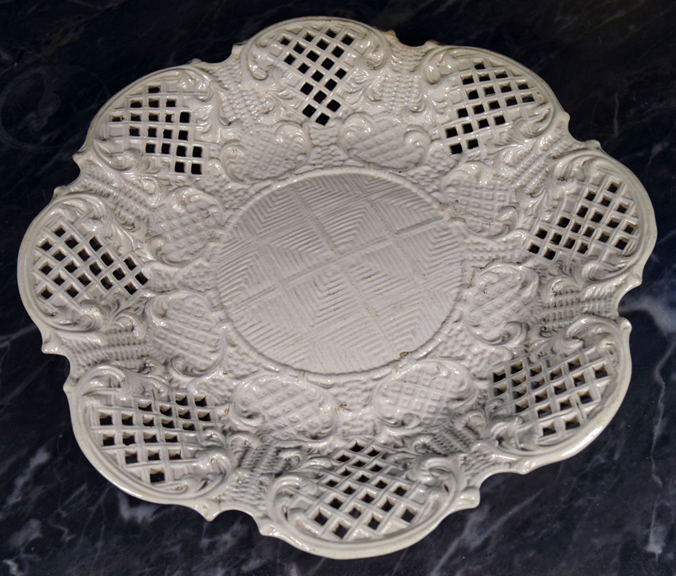
In our age of weekly farmers’ markets, drive-thru smoothie shops, and 24/7 grocery stores, it can be hard to truly understand the importance of fruit to the average colonial Virginian. They, however, would have been well aware of how rare it was and of what it meant...
by gwffoundation | Aug 31, 2015 | George Washington's Ferry Farm, Lives & Legacies, Natural History
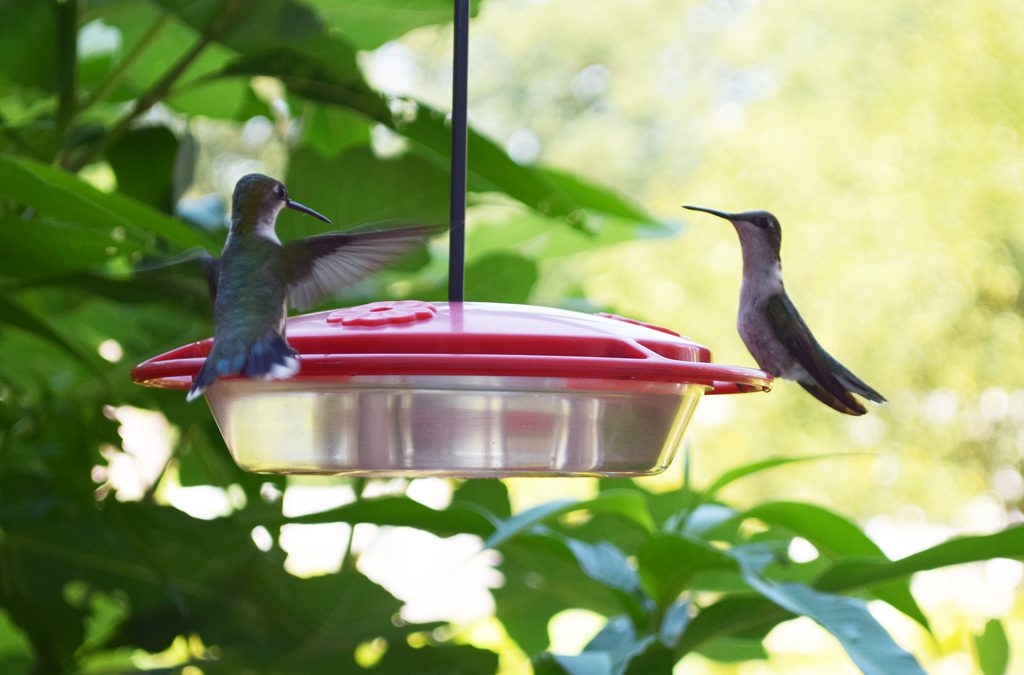
Just outside a window of the Archaeology Lab near the demonstration garden at George Washington’s Ferry Farm stands a hummingbird feeder. We regularly receive feathered visitors to the feeder. Archaeologist Laura Galke recently captured some photos of a couple...
by gwffoundation | Jul 20, 2015 | George Washington's Ferry Farm, Lives & Legacies, Natural History
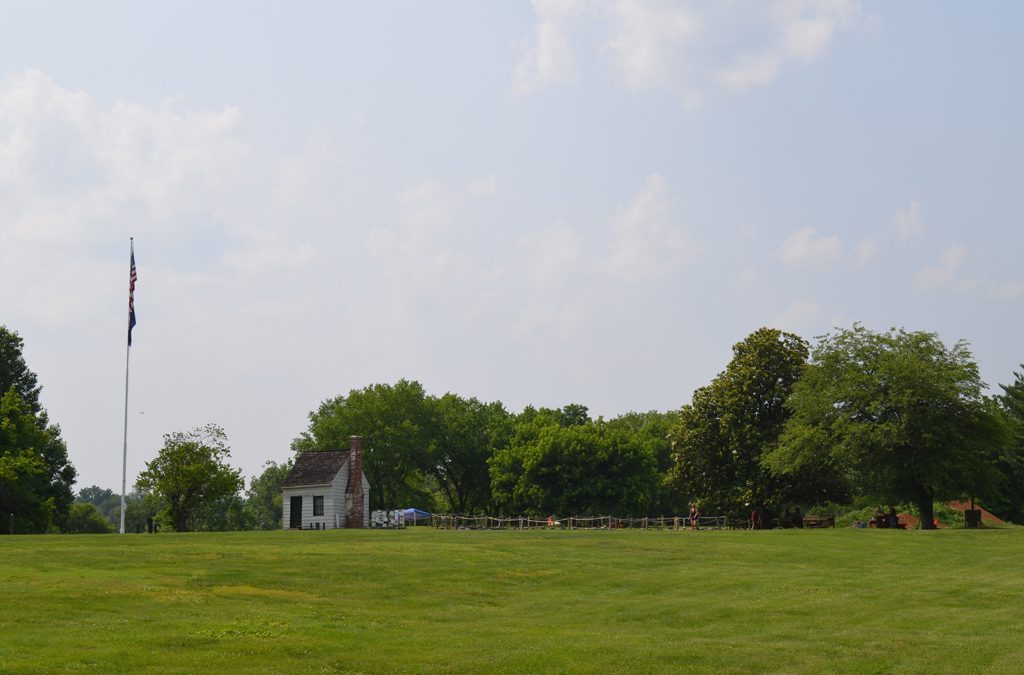
George Washington’s Boyhood Home at Ferry Farm offers a wonderful blend of woods, fields, wetlands, and riverfront. Fox, groundhogs, snakes, lizards, turtles, and deer make Ferry Farm their home. In the meadows, bushy heads of grass seeds provide an important...
by gwffoundation | Jul 13, 2015 | George Washington's Ferry Farm, Lives & Legacies, Natural History
Scenes from the Demonstration Garden at George Washington’s Ferry Farm on a peaceful summer morning. The garden contains a variety of colonial-era plants that would have been grown by the Washington family like tobacco, corn, and squash. There are also modern...
by gwffoundation | May 18, 2015 | Historic Kenmore, Lives & Legacies, Natural History
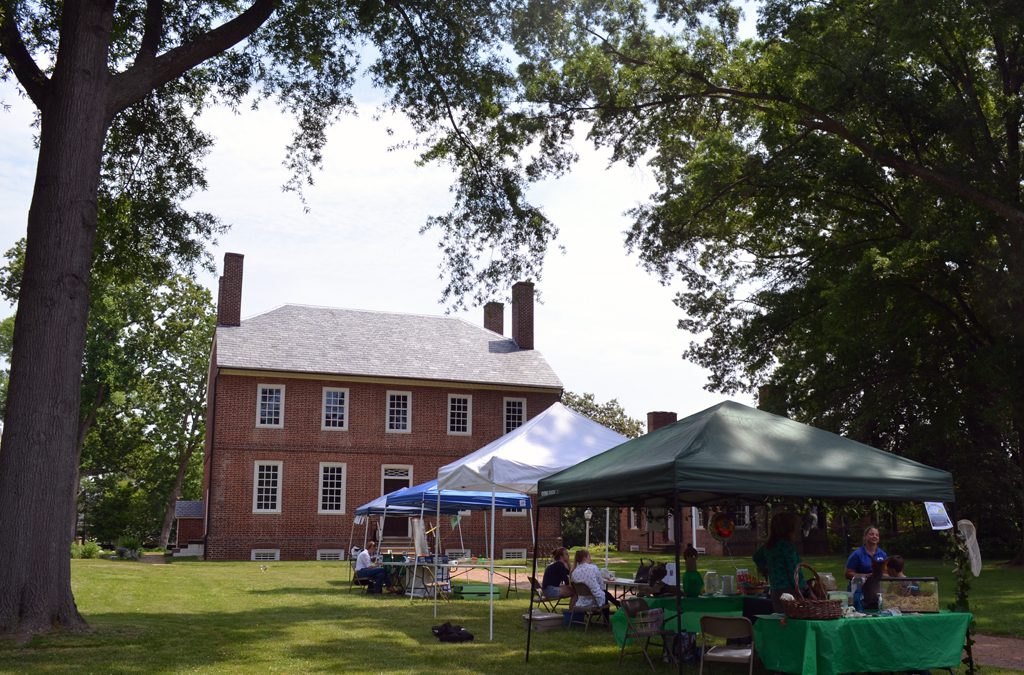
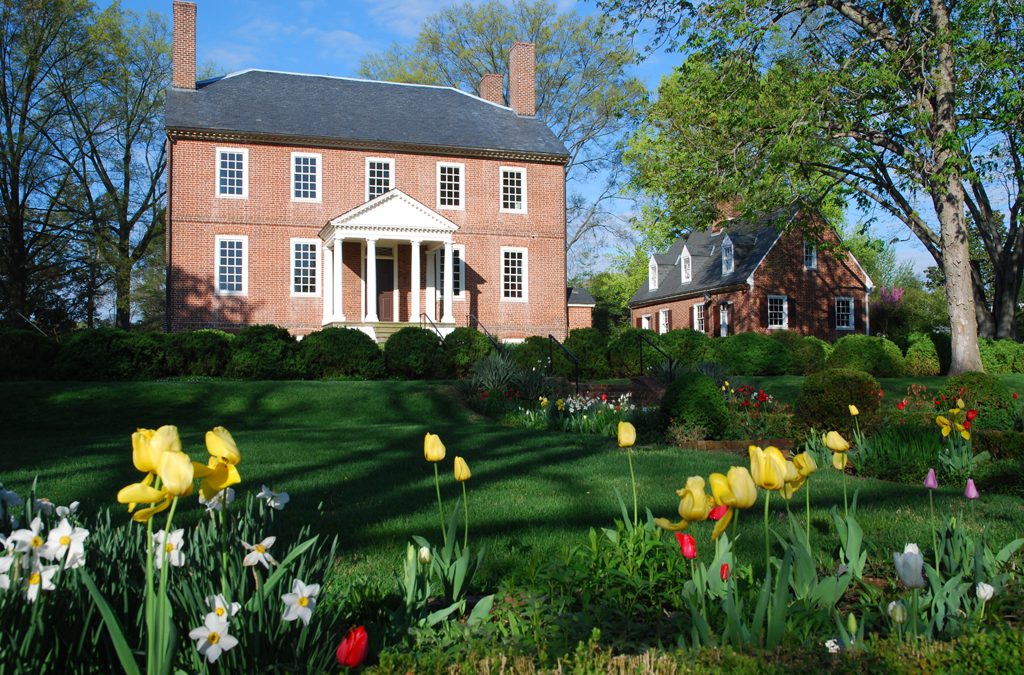
Nature shaped the lives of English colonists and enslaved Africans living and working at Kenmore Plantation 200 years ago. Over centuries, humans changed Kenmore’s natural world from a plantation setting into an urban green space. Yet, nature remains just outside the...
by gwffoundation | May 11, 2015 | Lives & Legacies, Natural History
Humans are an inescapable part of nature. It shapes us and we shape it. Most of us can see this dynamic relationship when looking back 200 years. It is easier to appreciate the centrality of nature in the lives of 18th century planters, farmers, and enslaved people...