by gwffoundation | Jul 13, 2018 | George Washington's Ferry Farm, Lives & Legacies
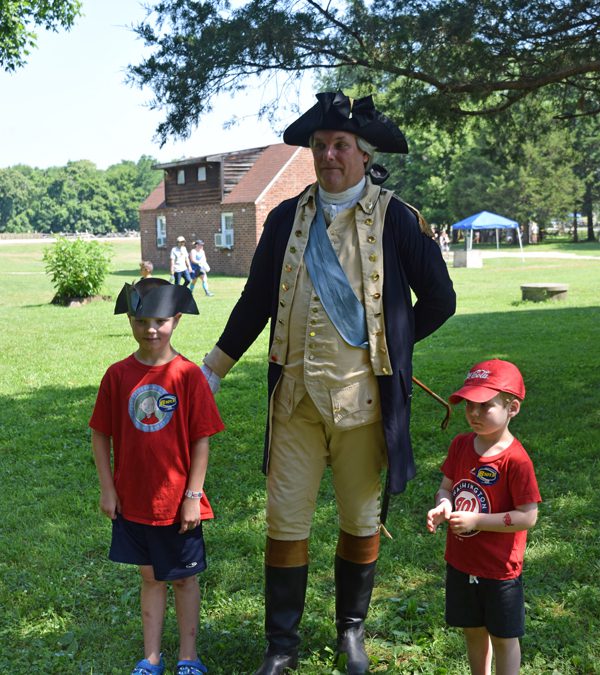
Scenes from last week’s Independence Day celebration at George Washington’s Ferry Farm! Read “Celebrating the Fourth and what makes America great” by Kristin Davis for The Free Lance-Star about the Ferry Farm and other area celebrations....
by gwffoundation | Jul 11, 2018 | Archaeology, George Washington's Ferry Farm, Lives & Legacies
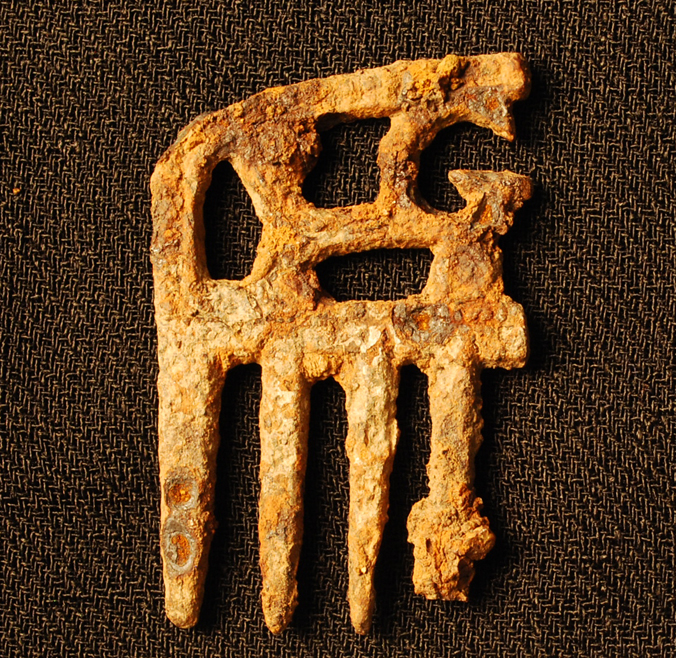
Before there were planes, trains, and automobiles, and other engine-driven devices, people of the 18th, 19th and early-20th centuries used horses, mules, and other four-legged draft animals to transport themselves, pull their wagons and carriages, and help manage the...
by gwffoundation | Jul 4, 2018 | Holiday History, Lives & Legacies
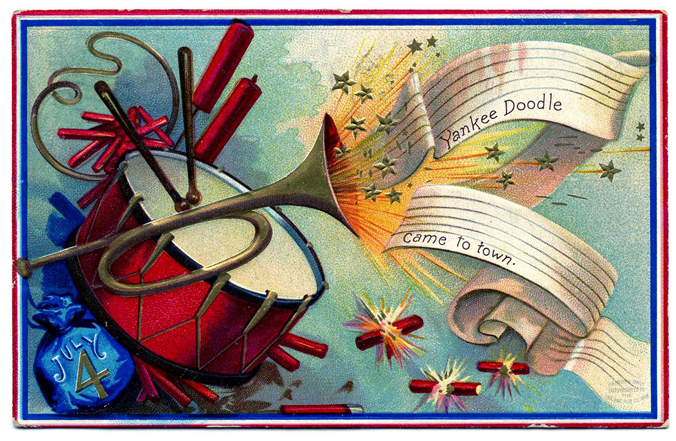
In honor of the Independence Day, I want to talk about a pressing question I had as a child pertaining to one of our most popular patriotic songs “Yankee Doodle”. We all know the first verse. Yankee Doodle went to town A-riding on a pony, Stuck a feather...
![Last Year’s Fabulous Fourth at Ferry Farm [Photos]](https://kenmore.org/wp-content/uploads/2018/06/july-4-2017-1-683x675.jpg)
by gwffoundation | Jun 26, 2018 | George Washington's Ferry Farm, Lives & Legacies
One week from today, celebrate Independence Day at George Washington’s Ferry Farm! Tour the replica Washington house, learn about this summer’s archaeology dig, enjoy a patriotic flag retirement ceremony, interact with colonial and Civil War reenactors as well...
by gwffoundation | Jun 20, 2018 | Lives & Legacies
At George Washington’s Ferry Farm, most of our thinking, research, and writing is focused on the best known and most significant of all Americans, George Washington. But George was not the only Washington to live at Ferry Farm nor was he even the only Washington boy...
by gwffoundation | Jun 14, 2018 | Behind the Scenes, George Washington's Ferry Farm, Lives & Legacies, Washington family
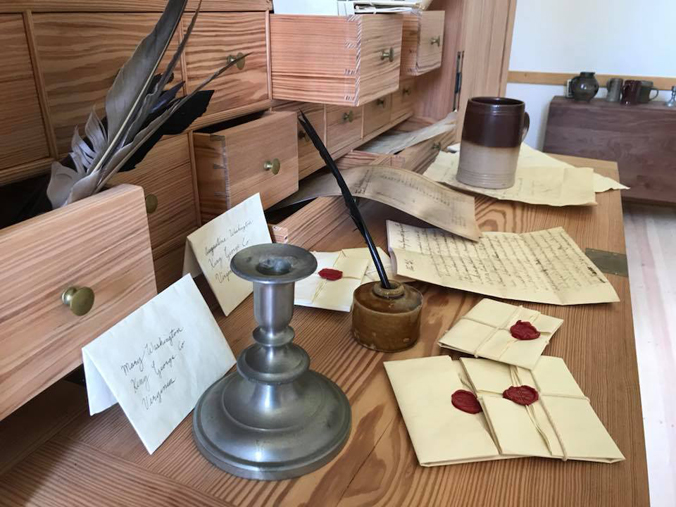
At George Washington’s Ferry Farm, we focus on archaeology as one way to learn about both the Washingtons and the other people who lived and worked on this landscape. We rely on archaeology because many of these residents did not leave behind documentary primary...