George Washington's Early Years at Ferry Farm
George Washington’s Boyhood at Ferry Farm
George Washington moved to Ferry Farm at the age of six. His father Augustine Washington Sr. took possession of the property on November 3, 1738, and the family moved in by December of that year. The land was situated across from the town of Fredericksburg with the Rappahannock River forming one of the property’s boundaries. It featured a stylish home, built a decade earlier by William Strother III and his family. Augustine Washington Sr. expanded this house, adding two rooms and reconfiguring the shed roof on the rear of the structure. George lived here until early 1754 when he moved to Mount Vernon.
The early 1740s were difficult years for George and his family. In October 1740, his 16-month-old sister Mildred died. Soon after that, the family house caught fire. No one was injured, but lingering smoke, charred surfaces and damaged furnishings forced the family to temporarily relocate to their kitchen dependency while repairs were undertaken.
In 1743, Augustine Washington’s health declined and fearing the worst, he prepared a will, dictating how his various acreages, iron furnace partnership, and stores were to be distributed. He died in April of 1743. His will distributed his lands and enslaved men and women to his children from both his first and second marriages, with the bulk of the estate going to his two sons from his first marriage. At age 11, George became the owner of Ferry Farm and a slaveholder, but it would be 10 years before taking legal control of his inheritance.
Mary Ball Washington was about 35 years old when she was widowed. Eighteenth-century traditions encouraged women to quickly remarry. As a woman in control of substantial lands, Mary was a good prospect for marriage but instead chose to remain a widow. Following her husband’s death, Mary Ball Washington managed the properties of her four minor sons until they reached their majority as well as her own farm in Stafford County, Little Falls, left to her by her father.
Six years after his father’s death, George penned a letter that captured the extent of the economic hardship the family endured during the years after Augustine’s death. In the letter, George complained “…my horse is in very poor order to undertake such a journey and is in no likelihood of mending for want of Corn sufficient to support him…”.
Without a father, George lacked a male patron to guide him in the intricacies of eighteenth-century gentry life. It was George’s half-brother, Lawrence Washington, who helped fill this role. Lawrence introduced young George to the Fairfax family, one of Virginia’s most elite families with ties to Scottish nobility. The Fairfaxes provided George Washington with mentors to emulate, and access to all-important patronage and the benefits of protection and support. Mary Washington instituted a series of initiatives to ensure that she and her children remained situated in the gentry class, and by demonstrating genteel manners and behaviors such as the tea service, formal dancing, decorative sewing, and horsemanship.
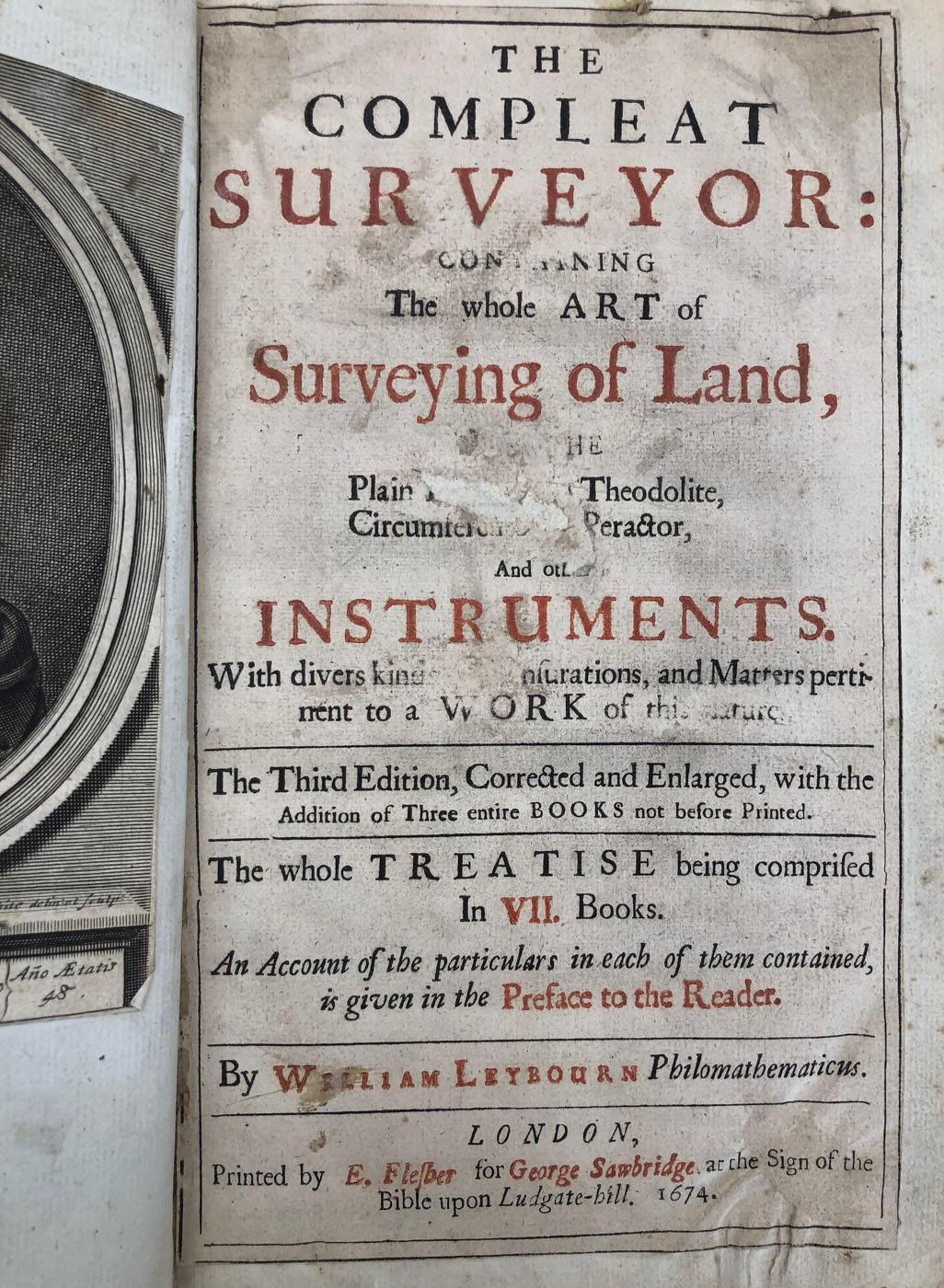
The Complete Surveyor
George received this book at age 13
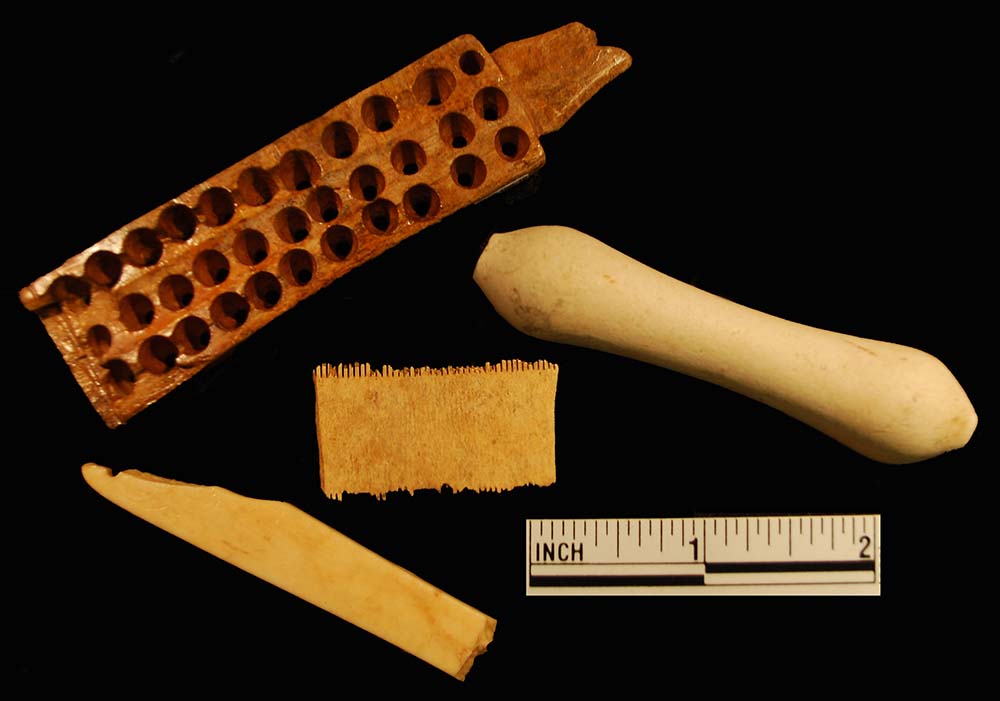
Hair Care Items
Brush, comb, and wig curler excavated at Ferry Farm Credit: The George Washington Foundation
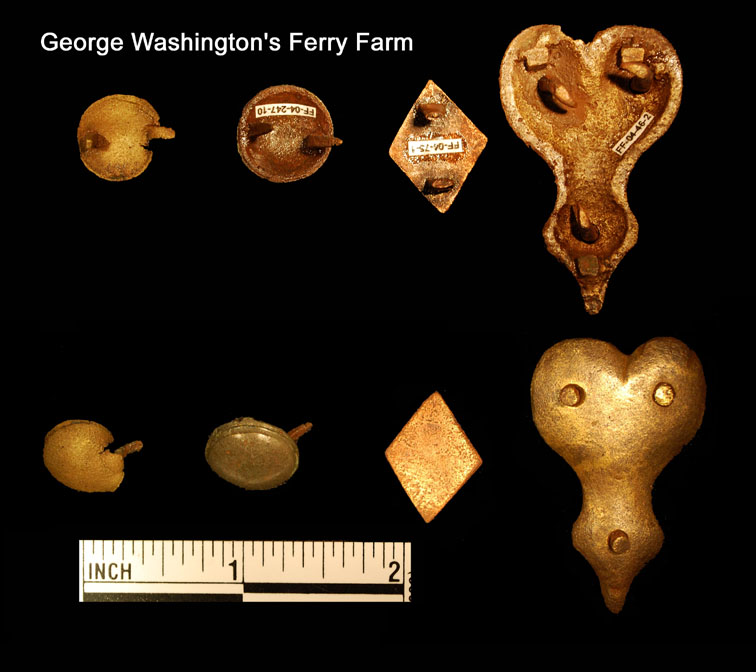
Horse Tack
Items that would have been part of items such as bridles and saddles found at Ferry Farm Credit: The George Washington Foundation
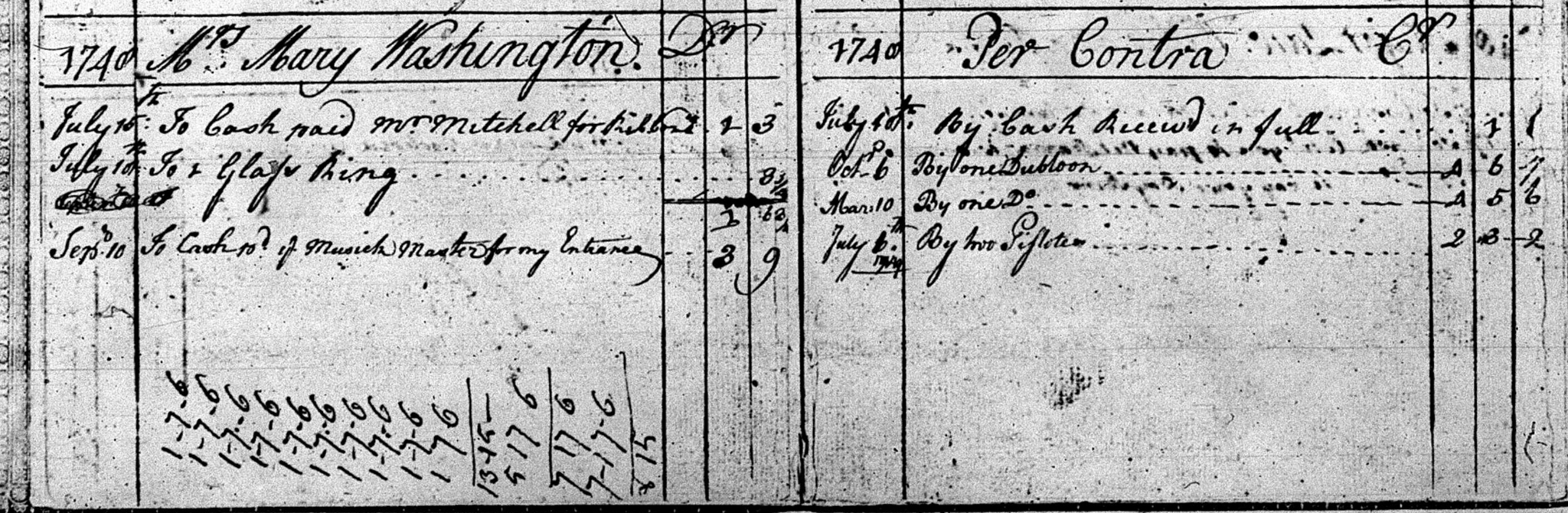
Account Book
An example of George’s first attempt to keep an account book Credit: National Park Service