by gwffoundation | Nov 18, 2020 | Foodways, George Washington's Ferry Farm, Lives & Legacies, Washington family
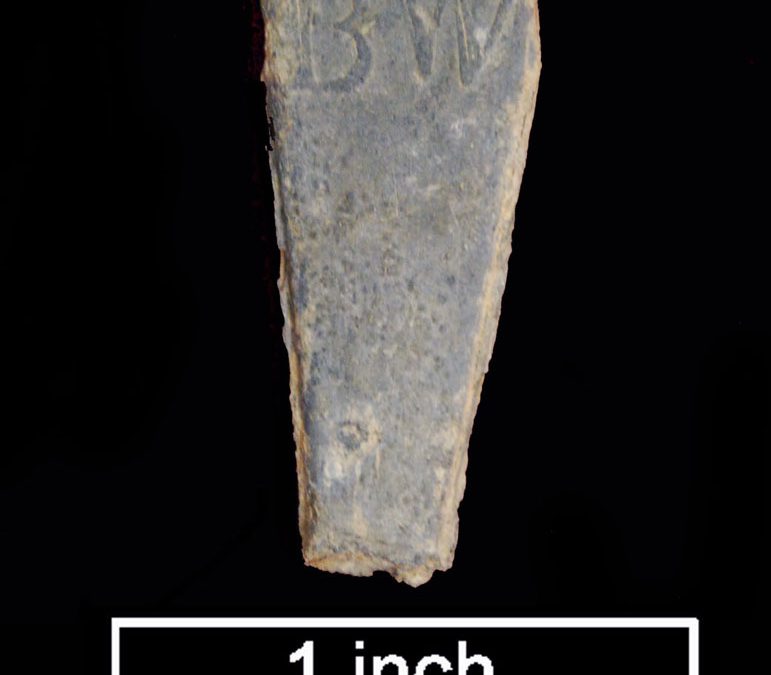
One of the most exciting and important discoveries archaeologists have made at Ferry Farm is a pewter teaspoon baring the initials B.W. It belonged to Betty Washington. This spoon was part of a set that trained her to oversee the extremely important tea ceremony....
by gwffoundation | Sep 24, 2019 | Archaeology, Foodways, George Washington's Ferry Farm, Lives & Legacies
In this video, curator Meghan Budinger and archaeologist Laura Galke discuss how small things like eating utensils recovered archaeologically reveal big things about the Washington...
by gwffoundation | May 24, 2019 | Archaeology, Foodways, George Washington's Ferry Farm, Historic Kenmore, Lives & Legacies
On Tuesday, May 21, 2019, Dave Muraca, Director of Archaeology at The George Washington Foundation, presented “The Social Role of Garbage in Colonial Virginia,” the final talk in this year’s annual lecture series. Dave presented three case studies in...
by gwffoundation | Oct 26, 2018 | Archaeology, Foodways, George Washington's Ferry Farm, Lives & Legacies
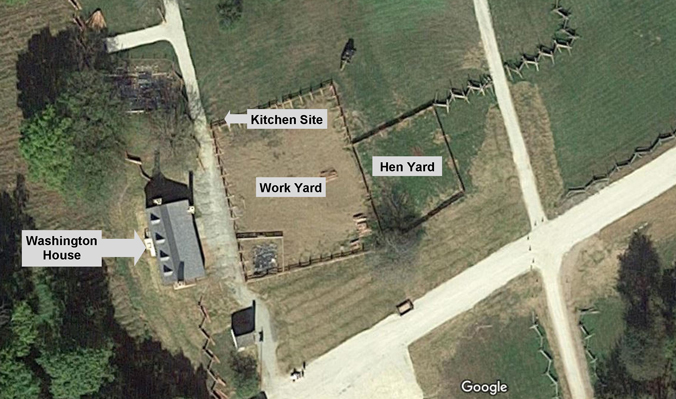
Twenty years ago, archaeologists digging at George Washington’s Ferry Farm unearthed the remains of a mid-eighteenth century kitchen. It was immediately obvious from the state of the artifacts that this kitchen had not simply fallen into to ruin and been abandoned –...
by gwffoundation | Dec 21, 2017 | Archaeology, Foodways, George Washington's Ferry Farm, Lives & Legacies
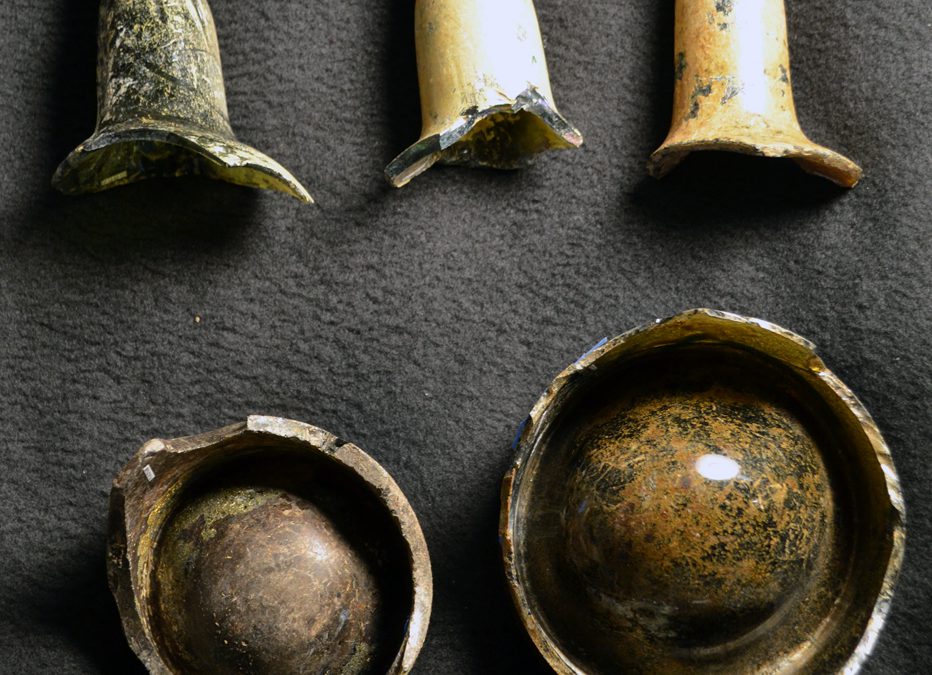
Ah, the humble wine bottle. There are few historical archaeological sites without them and Ferry Farm is no exception. Our current mending project has produced about a dozen wine bottles from one Washington house cellar feature alone. Readily identifiable because...
by gwffoundation | Feb 8, 2017 | Archaeology, Foodways, George Washington's Ferry Farm, Lives & Legacies
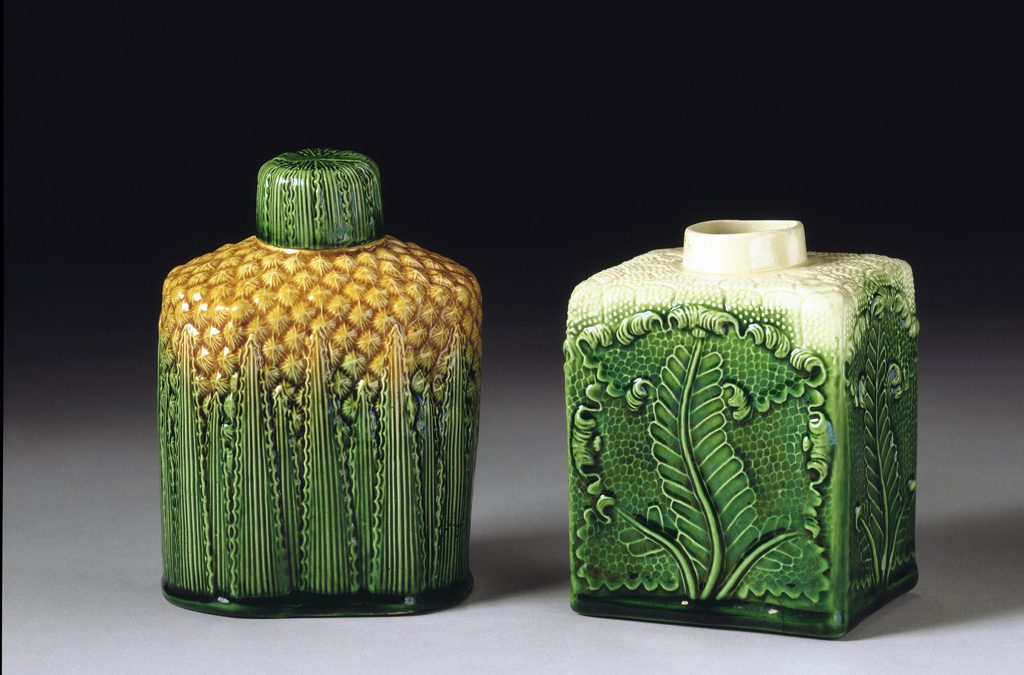
Fads come and go. Such is life. Eighteenth century colonists were not immune to flash-in-the-pan trends. However, given that information traveled a bit slower before the digital age, in the 18th century a ‘quick trend’ may have lasted 10 or 20 years, instead of 10...